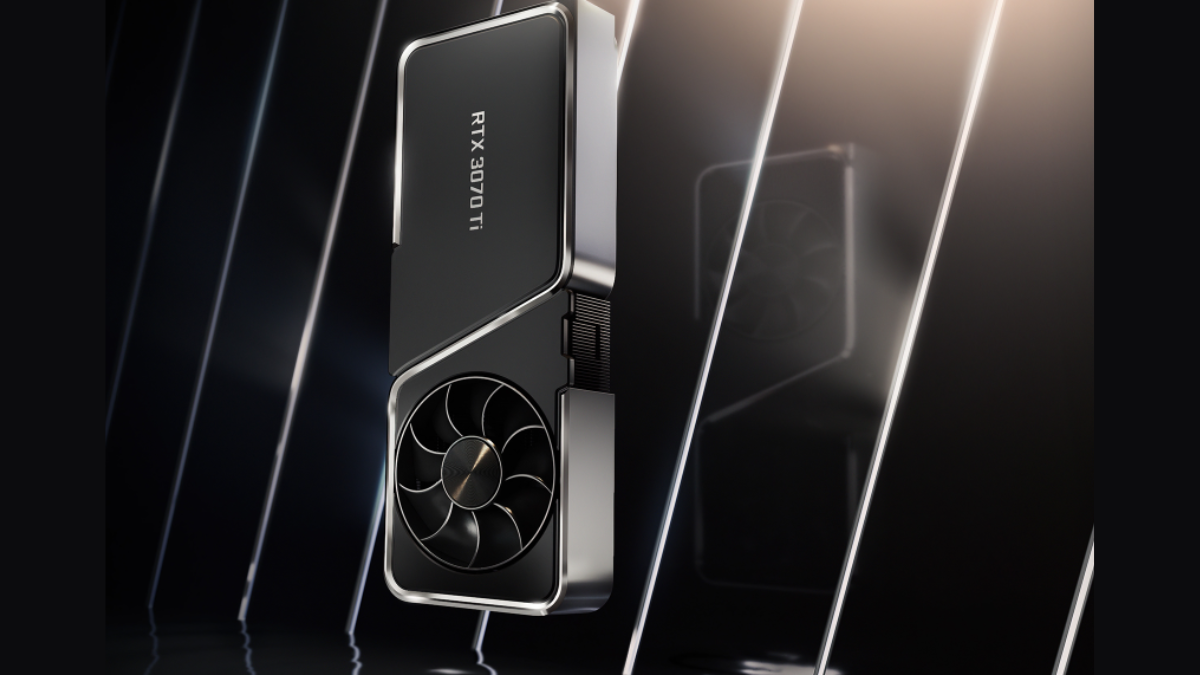
Boom! The GPU market is constantly evolving, and here we are in 2024, still talking about the NVIDIA GeForce RTX 3070 Ti. But is this card still a contender in today’s cutthroat graphics arena? Strap in, folks – we’re about to find out! Did you know that despite newer releases, the 3070 Ti still holds a solid 8% market share among Steam users? That’s pretty impressive for a card launched back in 2021! Let’s dive into why this GPU might still be the sweet spot for many gamers and content creators.
Technical Specifications and Architecture

Image Source: NVIDIA

The NVIDIA GeForce RTX 3070 Ti is a powerhouse of a GPU, sitting comfortably between its RTX 3070 and RTX 3080 siblings. Let’s break down what makes this card tick:
- Core Configuration: The RTX 3070 Ti boasts 6,144 CUDA cores, a significant bump from the 5,888 found in the base 3070. This translates to more parallel processing power for your gaming and creative workloads.
- Memory: Unlike its little brother, the Ti variant comes with 8GB of GDDR6X memory. This faster memory type, running on a 256-bit bus, offers improved bandwidth over the standard GDDR6 found in the 3070.
- Clock Speeds: With a base clock of 1,575 MHz and a boost clock of 1,770 MHz, the 3070 Ti can really stretch its legs when the going gets tough.
- RT and Tensor Cores: 48 RT cores handle those gorgeous ray-traced reflections and shadows, while 192 Tensor cores power DLSS and AI-enhanced workflows.
- TDP: At 290 watts, it’s a bit more power-hungry than the standard 3070, but still more efficient than the 3080.
| Specification | RTX 3070 Ti | RTX 3070 | RTX 3080 |
|---|---|---|---|
| CUDA Cores | 6,144 | 5,888 | 8,704 |
| Memory | 8GB GDDR6X | 8GB GDDR6 | 10GB GDDR6X |
| Memory Bus | 256-bit | 256-bit | 320-bit |
| Base Clock | 1,575 MHz | 1,500 MHz | 1,440 MHz |
| Boost Clock | 1,770 MHz | 1,725 MHz | 1,710 MHz |
| RT Cores | 48 | 46 | 68 |
| Tensor Cores | 192 | 184 | 272 |
| TDP | 290W | 220W | 320W |
When we compare the 3070 Ti to its closest relatives, we see it’s carefully positioned to offer a performance boost over the 3070 without treading too much on the 3080’s toes. The extra CUDA cores and faster memory give it an edge in both rasterization and ray tracing tasks.
Now, let’s talk about Ampere architecture. This second-gen RTX design brings some serious improvements to the table:
- Enhanced RT cores: These bad boys deliver 2x the throughput of their Turing predecessors, meaning better ray tracing performance with less of a performance hit.
- Improved Tensor cores: With up to 2x the throughput for AI operations, DLSS gets a nice boost, helping to offset the performance cost of ray tracing.
- New SM design: The streaming multiprocessors now have 2x FP32 throughput, which is great news for traditional rasterization performance.
All these architectural improvements mean the 3070 Ti can punch above its weight class in many scenarios, especially when DLSS enters the picture. It’s this combination of raw power and clever features that keep the 3070 Ti relevant in 2024’s GPU landscape.
Gaming Performance in 2024
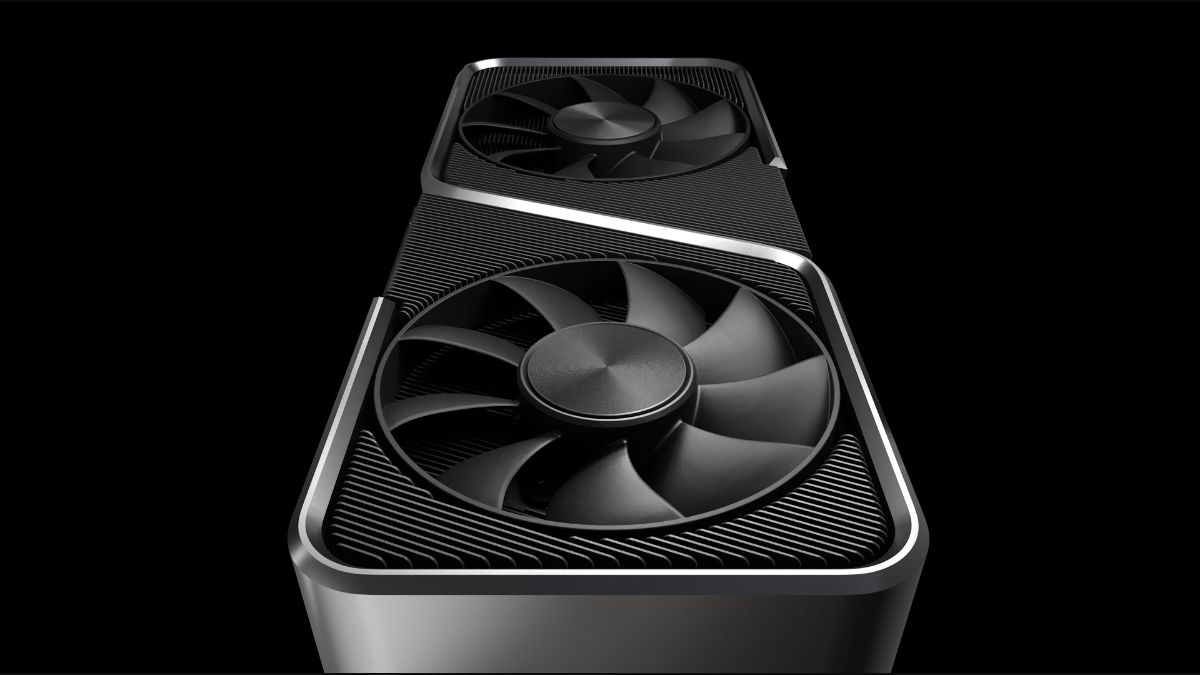
Image Source: NVIDIA
Even in 2024, the RTX 3070 Ti continues to impress with its gaming chops. Let’s dive into how this GPU performs across various resolutions and with different gaming technologies:
1080p Gaming
- At Full HD, the 3070 Ti is an absolute beast. Expect to hit those coveted 144+ FPS in the most competitive titles.
- AAA games? No sweat. You’re looking at 100+ FPS in even the most demanding titles with settings maxed out.
- Esports enthusiasts rejoice! This card can push 240+ FPS in games like CS: GO, Valorant, and Overwatch 2.
1440p Gaming
- This is where the 3070 Ti really shines. It’s the sweet spot for balancing high refresh rates and gorgeous visuals.
- Most AAA titles will run comfortably at 60-100 FPS with settings cranked up.
- Slightly older or well-optimized games? Expect to hit 100-144 FPS without breaking a sweat.
4K Gaming
- Yes, the 3070 Ti can handle 4K, but you’ll need to be a bit more selective with your settings.
- Many games will run at 4K 60 FPS with a mix of high and medium settings.
- DLSS is your friend here – enabling it can boost your 4K performance significantly.
Ray Tracing and DLSS Performance
- With RT cores, the 3070 Ti can handle ray tracing in most games at 1080p and 1440p resolutions.
- At 4K, you’ll definitely want to enable DLSS to maintain smooth framerates with ray tracing on.
- DLSS continues to be a game-changer, often boosting performance by 30-50% with minimal impact on image quality.
Comparison with Current-Gen GPUs
- While newer cards like the RTX 4070 have surpassed it, the 3070 Ti still holds its own, especially at 1080p and 1440p.
- It outperforms many mid-range current-gen options from AMD and Intel in rasterization performance.
- In ray tracing, it falls behind the newest NVIDIA offerings but still beats similarly priced AMD alternatives.
Popular Titles Benchmarks (1440p, Ultra Settings)
| Game Title | 1080p FPS | 1440p FPS | 4K FPS |
|---|---|---|---|
| Cyberpunk 2077 | 110 | 65 | 30 |
| Red Dead Redemption 2 | 120 | 78 | 35 |
| Fortnite | 200+ | 120 | 60 |
| Elden Ring | 120 | 85 | 40 |
| Call of Duty: Warzone | 160 | 110 | 55 |
Note: FPS values are approximate and may vary based on specific in-game settings and system configurations.
The RTX 3070 Ti proves it’s still got game in 2024. While it may not top the charts anymore, its performance-to-price ratio (especially on the used market) makes it a compelling option for gamers who want a high refresh rate of 1440p gaming without breaking the bank. Plus, with DLSS support, you’re getting a taste of next-gen performance in a more affordable package. Not too shabby for a card launched in 2021, eh?
Content Creation and Productivity
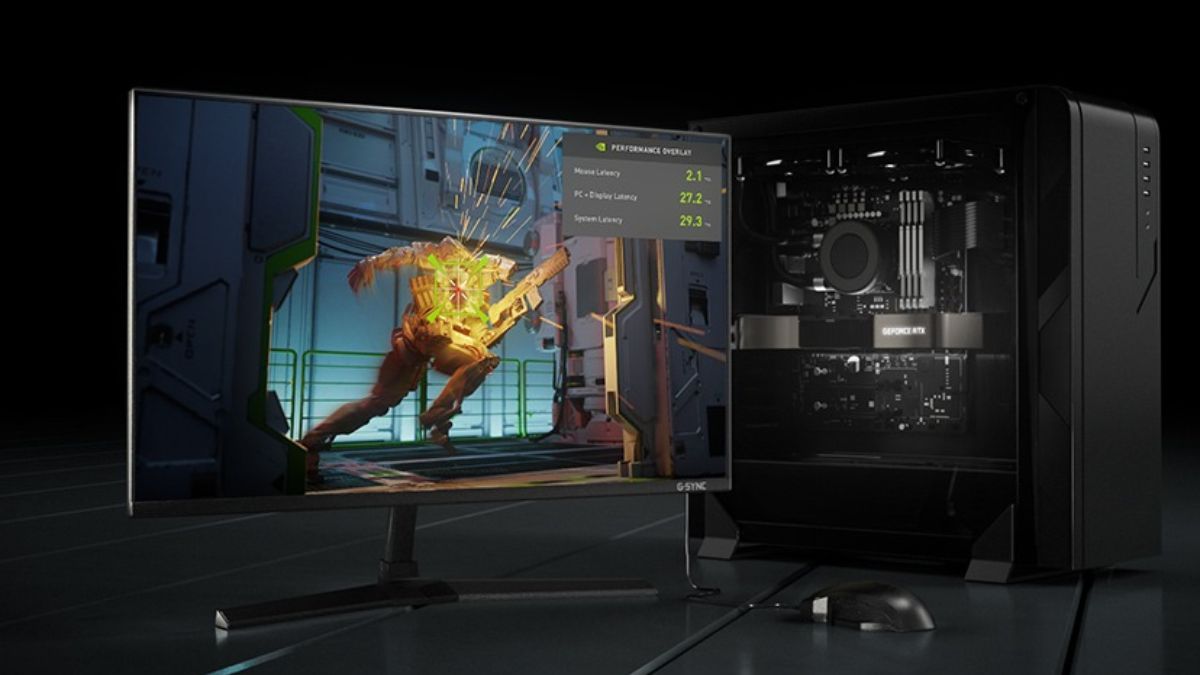
Image Source: NVIDIA
While gaming is often the spotlight stealer, the RTX 3070 Ti is no slouch when it comes to content creation and productivity tasks. Let’s break down how this GPU performs in various creative workloads:
Video Editing and Rendering Performance
- Adobe Premiere Pro: The 3070 Ti shines here, leveraging CUDA acceleration for faster rendering times. Expect 4K timeline playback to be smooth as butter.
- DaVinci Resolve: Color grading and effects processing get a significant boost. Real-time playback of 4K footage is achievable with moderate effects applied.
- Rendering times: For a 10-minute 4K project with moderate effects, expect export times around 5-7 minutes, depending on your CPU and specific effects used.
3D Modeling and CAD Workload Capabilities
- Blender: The 3070 Ti handles complex scenes with ease. Cycle rendering benefits greatly from CUDA and OptiX acceleration.
- Blender Benchmark (BMW scene): Completes in about 1 minute 15 seconds, which is still competitive in 2024.
- AutoCAD: Smooth performance with large 2D and 3D models. The 8GB VRAM is sufficient for most projects.
- 3ds Max: Viewport performance is excellent, allowing for smooth manipulation of complex scenes.
Streaming and Multitasking Efficiency
- OBS Studio: The NVENC encoder allows for high-quality 1080p60 streaming with minimal impact on game performance.
- Dual-monitor setups: The NVIDIA GeForce RTX 3070 Tihandles gaming on one screen and streaming tools on another without breaking a sweat.
- Background tasks: You can comfortably run multiple productivity apps alongside your main tasks without noticeable slowdowns.
AI and Machine Learning
- While not a powerhouse like the A100, the 3070 Ti’s Tensor cores make it capable of running smaller AI models and experiments.
- TensorFlow performance is respectable for a consumer GPU, making it suitable for students and hobbyists in the AI field.
Productivity Software
- Adobe Creative Suite: Photoshop, Illustrator, and After Effects all benefit from GPU acceleration, offering smooth performance even with large files.
- Lightroom: GPU-accelerated editing and exporting speed up your photo workflow significantly.
Content Creation Benchmarks
| Benchmark / Task | RTX 3070 Ti Score/Time | Comparison to RTX 4070 |
|---|---|---|
| Blender Classroom | 6 min 30 sec | 25% slower |
| V-Ray Benchmark | 1,200 points | 20% lower score |
| DaVinci Resolve | 950 points | 15% lower score |
| 4K Video Export (10 min) | 6 min | 30% slower |
The RTX 3070 Ti proves to be a versatile workhorse for content creators and professionals. Its balance of CUDA cores, RT cores, and Tensor cores makes it adept at handling a wide range of creative tasks. While it may not be the fastest option in 2024, its performance is still more than adequate for most content creators, especially those working with 4K video or complex 3D scenes. The NVENC encoder is a particular boon for streamers and video producers, offering high-quality output with minimal performance overhead.
For professionals on a budget or those looking to build a capable workstation without breaking the bank, the NVIDIA GeForce RTX 3070 Ti remains a solid choice in 2024. It offers a taste of workstation-class performance at a more palatable price point, making it an attractive option for small studios, freelancers, and content creation enthusiasts.
Power Consumption and Thermal Performance
Image Source: NVIDIA
In 2024, efficiency is the name of the game. Let’s see how the RTX 3070 Ti stacks up in terms of power draw, thermals, and noise levels:
Power Draw Under Various Loads
- Idle: The card sips around 15-20W on the desktop, thanks to efficient power gating.
- Gaming: Under typical gaming loads, expect to see a power draw between 220-260W, depending on the title and settings.
- Peak Load: In stress tests or particularly demanding scenarios, the card can hit its full 290W TDP.
- Compared to newer cards: While not as efficient as the latest RTX 4000 series, it’s still more power-efficient than many of its contemporaries.
Cooling Solutions and Temperature Analysis
- Founder’s Edition Design: NVIDIA’s dual-axial fan design still holds up in 2024, offering a good balance of cooling performance and aesthetics.
- Under Gaming Load: Expect temperatures around 72-76°C in a well-ventilated case.
- Stress Testing: Under prolonged full load, temperatures can climb to 78-82°C, but rarely higher thanks to GPU Boost’s thermal throttling.
- Custom AIB Models: Partners like ASUS, MSI, and EVGA offer models with beefier coolers, often keeping temps 5-10°C lower than the Founder’s Edition.
Noise Levels During Gaming and Stress Tests
- Idle: Nearly silent operation, with fan speeds often at 0 RPM thanks to semi-passive cooling designs.
- Gaming: Under typical gaming loads, expect noise levels around 35-40 dBA – noticeable but not intrusive.
- Full Load: At max fan speeds, noise can reach 45-50 dBA. It’s audible but still quieter than many high-performance GPUs.
Thermal Throttling and Performance Stability
- GPU Boost 4.0: This technology dynamically adjusts clock speeds based on power and thermal headroom.
- Long Gaming Sessions: Performance remains stable, with only minor clock speed fluctuations to maintain optimal temperatures.
- Overclocking Headroom: Most 3070 Ti cards have some OC potential, but thermals become the limiting factor rather than power limits.
Power Efficiency Comparisons
- vs. RTX 2070 Super: Despite higher performance, the 3070 Ti is more efficient, delivering more frames per watt.
- vs. RTX 4070: The newer architecture shows its strengths here, with the 4070 being significantly more power-efficient.
- vs. AMD Competitors: Generally more efficient than similarly performing AMD cards from the same generation.
Real-world Implications
- Power Bills: For a typical gamer playing 3 hours a day, the annual power cost difference between the 3070 Ti and a more efficient RTX 4070 is minimal – may be a difference of $10-15 per year.
- Heat Output: In the summer months, the extra heat can be noticeable in smaller rooms. Consider your ambient temperature and room size.
The NVIDIA GeForce RTX 3070 Ti, while not the most efficient card by 2024 standards, still manages to deliver a good balance of performance and power consumption. Its thermal performance is commendable, especially considering its power draw. The noise levels are reasonable, making it a good choice for those who value a quiet gaming or work environment.
For users upgrading from older generations, the performance-per-watt improvement is significant. However, those extremely concerned about efficiency might want to look at newer options. That said, for most users, the power draw and thermal performance of the 3070 Ti shouldn’t be a deal-breaker, especially given its still-competitive performance in many tasks.
Remember, folks – a well-optimized 3070 Ti in a good airflow case will run cooler and quieter than a top-tier card in a cramped, poorly ventilated system. Sometimes, it’s not just about the card, but where you put it!
Value Proposition and Market Position
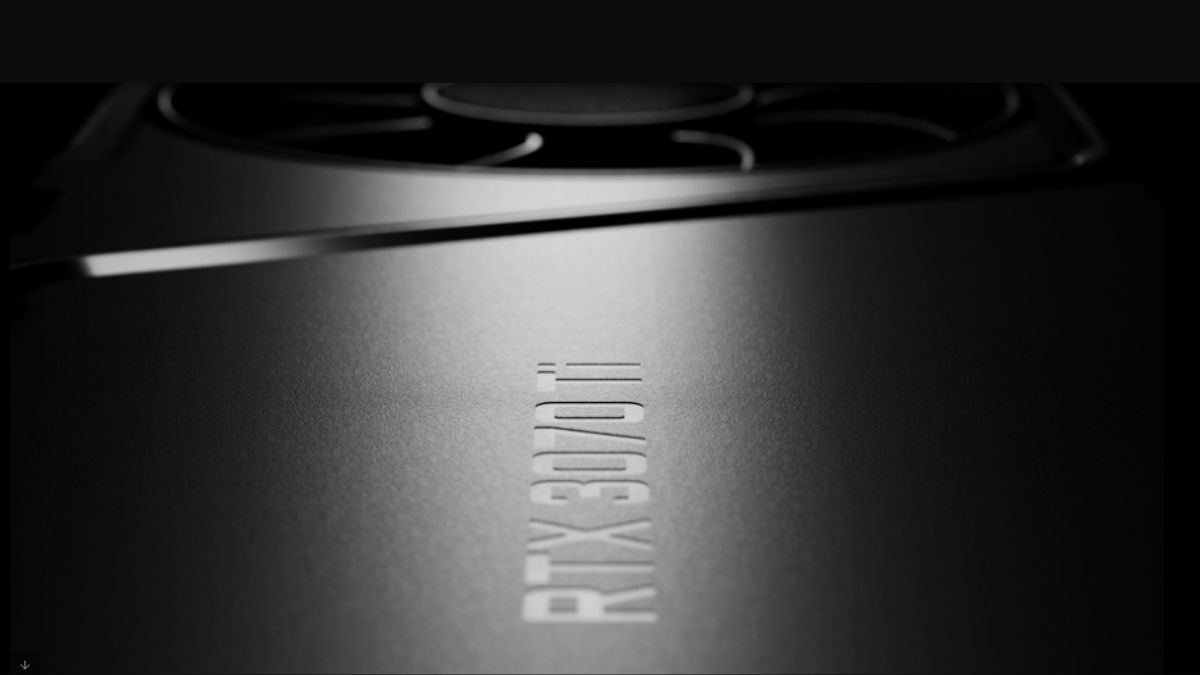
Image Source: NVIDIA
In 2024’s ever-evolving GPU market, where does the NVIDIA GeForce RTX 3070 Ti stand? Let’s break down its value proposition and current market position:
Current Pricing and Availability
- New vs Used: While the new stock is limited, the used market is where the 3070 Ti shines in 2024.
- Price Range: Used prices typically hover between $300-$400, depending on model and condition.
- Availability: Much easier to find than at launch, with a steady supply in the second-hand market.
Cost-per-frame Analysis
- 1080p Gaming: At around $350, you’re looking at about $3-$4 per frame in modern titles.
- 1440p Gaming: This jumps to $5-$6 per frame, still competitive for its performance class.
- Comparison: While newer mid-range cards offer better raw performance, the 3070 Ti often wins in the cost-per-frame metric at current used prices.
Target Audience and Use Cases
- Gamers: Ideal for those targeting high refresh rate 1080p or solid 1440p performance.
- Content Creators: Great for streamers and video editors on a budget.
- Upgraders: Excellent choice for those coming from GTX 10 series or RX 500 series cards.
Market Position
| Aspect | RTX 3070 Ti | RTX 4060 Ti | RX 6700 XT |
|---|---|---|---|
| Avg. Used Price (2024) | $350 | $450 | $300 |
| 1440p Performance | Excellent | Very Good | Very Good |
| Ray Tracing | Good | Very Good | Fair |
| DLSS/FSR Support | DLSS 2.0 | DLSS 3.0 | FSR 2.0 |
| Power Efficiency | Good | Excellent | Very Good |
| VRAM | 8GB GDDR6X | 8GB GDDR6 | 12GB GDDR6 |
Future-proofing Potential
- DLSS Support: Continues to extend the card’s lifespan as more games adopt the technology.
- Ray Tracing: Capable, though newer cards handle it more efficiently.
- VRAM: 8GB is sufficient for most current games at 1440p, but may become a limitation in future titles.
Value-added Features
- NVIDIA Broadcast: Still a boon for streamers and video conferencing.
- NVIDIA Reflex: Valuable for competitive gamers, reducing system latency.
- CUDA Acceleration: Beneficial for various productivity applications.
Long-term Considerations
- Driver Support: NVIDIA’s long-term driver support means the card will remain optimized for new game releases.
- Power Efficiency: While not as efficient as newer cards, the difference in yearly electricity costs is minimal for most users.
- Potential for Mining Resurgence: Always a wild card, but less likely to impact prices as dramatically as in previous cycles.
The NVIDIA GeForce RTX 3070 Ti, particularly on the used market, presents a compelling value proposition in 2024. It occupies a sweet spot for users who want performance that can handle current games with high settings at 1440p, without stretching to the higher prices of the latest-gen cards.
For budget-conscious gamers and content creators, the 3070 Ti offers a taste of high-end performance at a mid-range price point. Its DLSS capabilities help to future-proof it to some extent, allowing for improved performance in supported games.
However, it’s not without considerations. Those looking for the absolute latest features or the best power efficiency might want to look at newer options. Additionally, while 8GB of VRAM is sufficient for now, it could become a limitation in the most demanding titles a few years down the line.
Ultimately, the 3070 Ti’s value comes down to individual needs and local pricing. At the right price, it remains an excellent choice for many users in 2024, offering a balance of performance and features that are hard to beat in its current price bracket. As always, savvy shoppers should keep an eye on both the new and used markets to snag the best deals!
RTX 3070 Ti vs. Newer GPU Generations

Image Source: NVIDIA
As we navigate the GPU landscape of 2024, it’s crucial to understand how the RTX 3070 Ti stacks up against newer generations. Let’s dive into the comparisons:
Performance Gap with RTX 4000 Series
- vs. RTX 4070: The 4070 generally outperforms the 3070 Ti by 15-25% in rasterization and up to 40% in ray tracing scenarios.
- vs. RTX 4060 Ti: Surprisingly, the 3070 Ti often matches or slightly exceeds the 4060 Ti in raw performance, though the newer card is more efficient.
- DLSS 3.0: The 4000 series’ exclusive Frame Generation feature can provide a significant boost in supported games, widening the gap further.
Feature Comparison with Latest AMD and Intel Offerings
| Feature | RTX 3070 Ti | RTX 4070 | RX 7700 XT | Intel Arc A770 |
|---|---|---|---|---|
| Rasterization Perf. | 100% (Base) | 120% | 115% | 95% |
| Ray Tracing Perf. | 100% (Base) | 140% | 90% | 85% |
| DLSS/FSR Version | 2.0 | 3.0 | 2.0 | 2.1 |
| Power Consumption | 290W | 200W | 245W | 225W |
| Launch MSRP | $599 | $599 | $479 | $329 |
AI and Machine Learning
- Tensor Core Performance: While capable, the 3070 Ti’s Tensor cores are outclassed by the 4000 series in AI workloads.
- DLSS Quality: DLSS 2.0 on the 3070 Ti still impresses, but DLSS 3.0 on newer cards offers improved image quality and performance.
Power Efficiency and Thermals
- Architecture Improvements: Newer generations boast significant efficiency gains, with the RTX 4070 offering similar performance at lower power draw.
- Cooling Solutions: Modern GPU designs have further refined cooling, though the 3070 Ti’s thermal performance remains competitive.
Future-Proofing Potential
- RT Performance: While capable, the 3070 Ti may struggle with future ray tracing implementations as they become more demanding.
- VRAM Concerns: 8GB VRAM might become a limitation sooner compared to newer cards with larger VRAM pools.
- API Support: Full support for DirectX 12 Ultimate ensures compatibility with current game development techniques.
Price-to-Performance Ratio
- Current Market: At its typical used price point, the 3070 Ti often offers better price-to-performance than new mid-range cards.
- Long-term Value: While performance per dollar is strong now, the gap may close as newer card prices decrease over time.
Real-World Gaming Scenarios
- 1080p Gaming: The 3070 Ti remains highly competitive, often matching newer mid-range cards.
- 1440p Gaming: Still very capable, but the gap with newer generations becomes more noticeable in demanding titles.
- 4K Gaming: Newer cards pull ahead significantly, especially with features like DLSS 3.0.
Content Creation Workloads
- Video Editing: The 3070 Ti remains competitive in most tasks, but newer cards offer faster rendering times and better performance with 8K footage.
- 3D Rendering: Newer architectures show their strength here, with significant performance gains in applications like Blender.
While the RTX 3070 Ti shows its age when compared directly to the latest GPU generations, it’s far from obsolete. It continues to offer strong performance in many scenarios, especially at 1080p and 1440p resolutions. The card’s biggest strengths in 2024 are its current price point in the used market and its well-rounded feature set that includes mature ray tracing and DLSS capabilities.
However, users looking for the best ray tracing performance, top-tier 4K gaming, or the most efficient operation will find more to love in newer generations. The 3070 Ti’s position is that of a capable mid-range option that becomes increasingly attractive as its price decreases over time.
Related:
RTX 3070 Ti vs 4070 Ti Ventus 3X: 2024 GPU Showdown
Conclusion
Wrapping up our deep dive into the NVIDIA GeForce RTX 3070 Ti, it’s clear this GPU still packs a punch in 2024. While it may not boast the latest and greatest features of newer cards, its balance of performance and (current) value makes it a compelling option for many. Whether you’re a gamer pushing high refresh rates at 1440p or a content creator needing that extra oomph, the 3070 Ti proves it can still hang with the best.
The 3070 Ti shines brightest in its sweet spot: high refresh rate 1080p gaming and solid 1440p performance. Its DLSS capabilities continue to breathe new life into its performance, especially in more demanding titles. For content creators, the robust CUDA core count and mature NVENC encoder make it a capable workhorse for video editing and streaming tasks.
However, it’s not without its drawbacks. Power efficiency lags behind newer generations, and its ray tracing performance, while capable, is outclassed by more recent offerings. The 8GB of VRAM, while sufficient for most current games, may become a limitation in the coming years for the most demanding titles at high resolutions.
The real kicker here is the value proposition. In the used market, the 3070 Ti often presents an excellent price-to-performance ratio, making it an attractive option for budget-conscious gamers and creators. It’s a card that bridges the gap between older and newer generations, offering a taste of high-end performance without the premium price tag of the latest models.
Ultimately, choosing a 3070 Ti in 2024 comes down to your specific needs and budget. Newer cards will serve you better if you’re after the absolute cutting edge in efficiency and features. But if you’re looking for a capable performer that can handle most of what you throw at it without breaking the bank, the 3070 Ti remains a solid choice.
Remember, the GPU market moves fast – always consider your specific needs and budget before pulling the trigger. Ready to level up your graphics game? The RTX 3070 Ti might be your ticket to pixel paradise!
Key Takeaways
- Still competitive at 1080p and 1440p gaming in 2024
- Excellent price-to-performance ratio in the used market
- DLSS 2.0 support extends its lifespan and boosts performance
- Capable content creation performance for 4K video editing and 3D rendering
- Power efficiency and ray tracing performance fall behind newer generations
- 8GB VRAM may become a limitation in future titles at high resolutions
- Best suited for gamers and creators on a budget who don’t need cutting-edge features
Final Verdict
The NVIDIA GeForce RTX 3070 Ti, while no longer at the forefront of GPU technology, remains a compelling option in 2024 for those seeking high performance without breaking the bank. It’s a testament to NVIDIA’s engineering that this card continues to hold its ground against newer mid-range offerings. For 1080p and 1440p gamers, content creators on a budget, or anyone looking to upgrade from older hardware, the 3070 Ti presents an attractive balance of performance, features, and value. Just be mindful of its power consumption and potential VRAM limitations in future titles. In the ever-evolving world of GPUs, the RTX 3070 Ti proves that sometimes, slightly older tech can still be a smart choice.

